Michael de Oliveira
About me
I’m a Ph.D. candidate at the International Iberian Nanotechnology Laboratory (INL), specializing in quantum computation under the supervision of Ernesto Galvão, Elham Kashefi, and Luis Soares Barbosa . Within my Ph.D. program, I have also been a visiting research student at Sorbonne University, an associate researcher at the Hon Hai Research Center working with Min-Hsiu Hsieh , and an intern at IBM working with Alexandru Gheorghiu.
Research Interests
I am broadly fascinated by the physical limits of our universe, the foundations of computation, and the mathematical structures that underpin them. My research centers on quantum computation and information.
Core Areas of Interest:
- Quantum algorithms
- Computational complexity theory
- Learning theory
I am particularly interested in the fundamental distinctions between quantum and classical computations and processes.
So Far …
Quantum Computing Theory Research Scientist Intern
As an intern at IBM Quantum in the
MIT–IBM Watson AI Lab
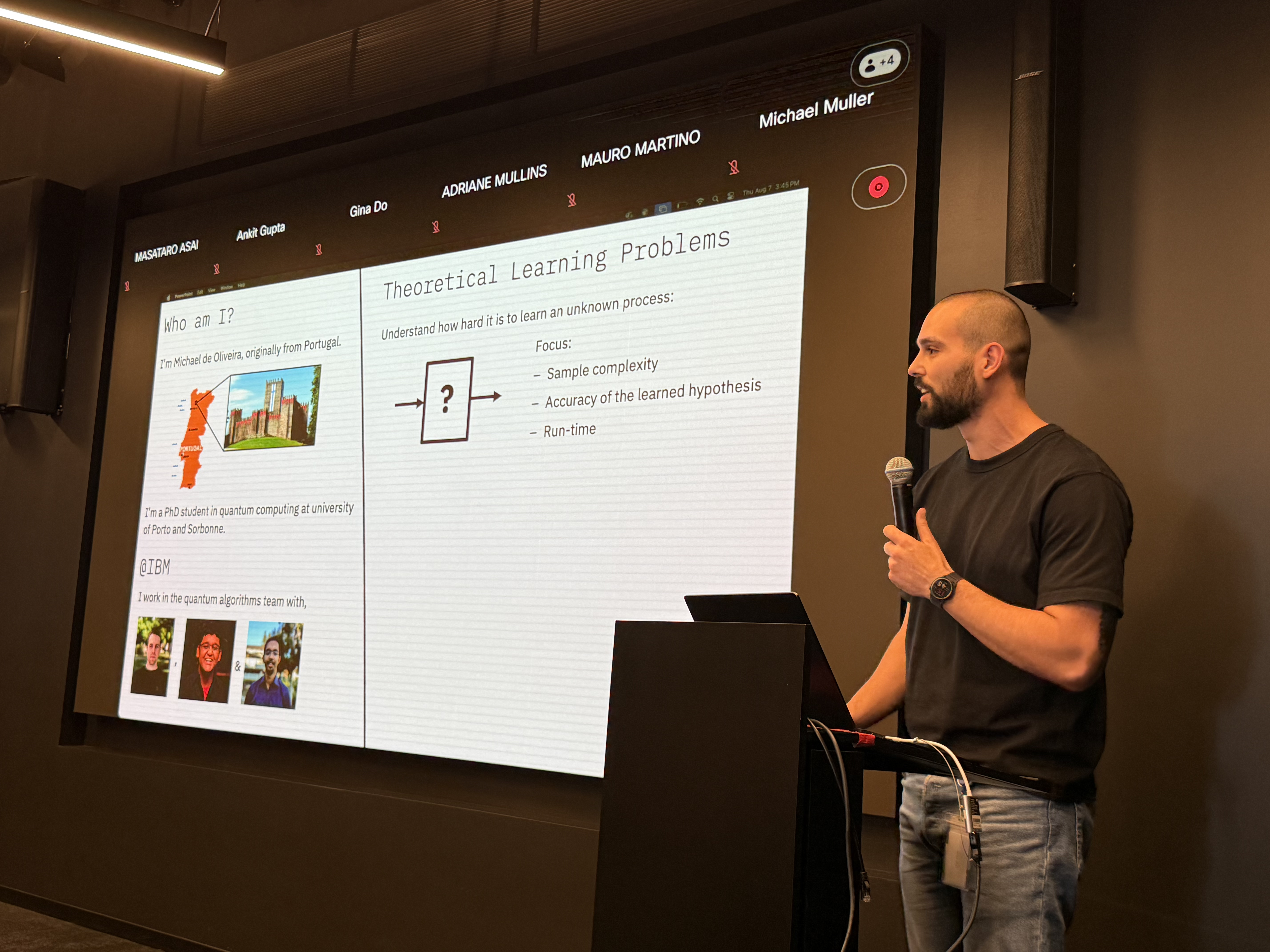
, I worked on developing new quantum algorithms in learning theory, a subfield of computer science that studies the theoretical foundations of machine learning. Our team designed quantum algorithms capable of efficiently learning the underlying Boolean functions that label quantum data examples. The key innovation was a quantum method that can learn significantly more complex labeling functions than previously possible, resolving a problem that had remained open for decades in computational learning theory.

Associate Researcher
As an Associate Researcher at Foxconn in the
Hon Hai Quantum Computing Research Center
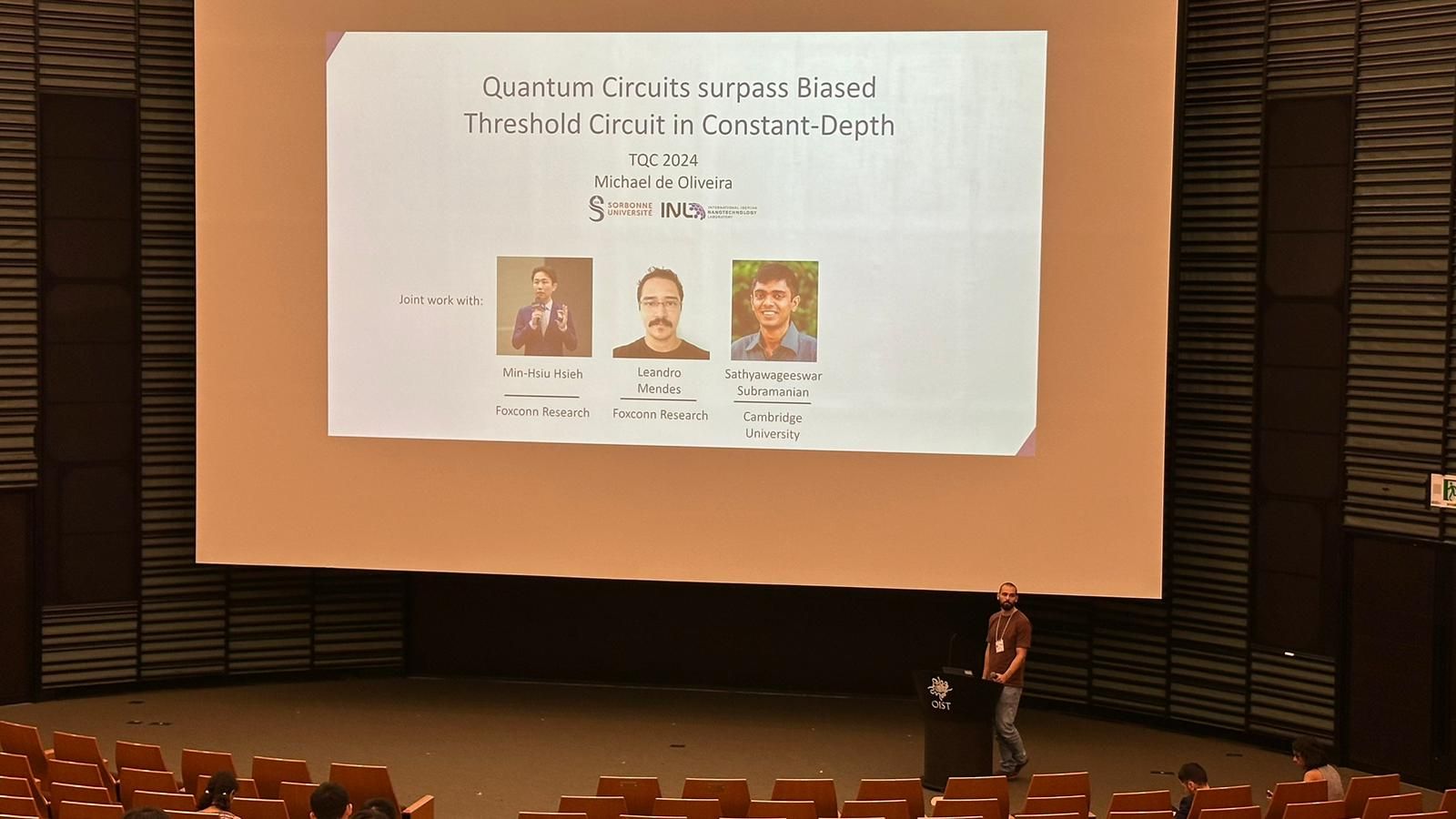
, I have focused on quantum computational circuit complexity, particularly on identifying computational problems that demonstrate a provable quantum advantage over classical computation. Our team showed that parallel quantum computing models can provably outperform biased threshold circuits — a parallel classical computing model that captures key aspects of feedforward neural networks. This work established the largest known separation between classical and quantum computational power of this type. We further extended the result to qudit-based architectures, broadening its applicability across a wider range of quantum systems. Finally, we demonstrated that this quantum advantage is robust to noise, indicating that it is practically realizable with near-term quantum technologies.

Visiting Researcher
As a Visiting Researcher at
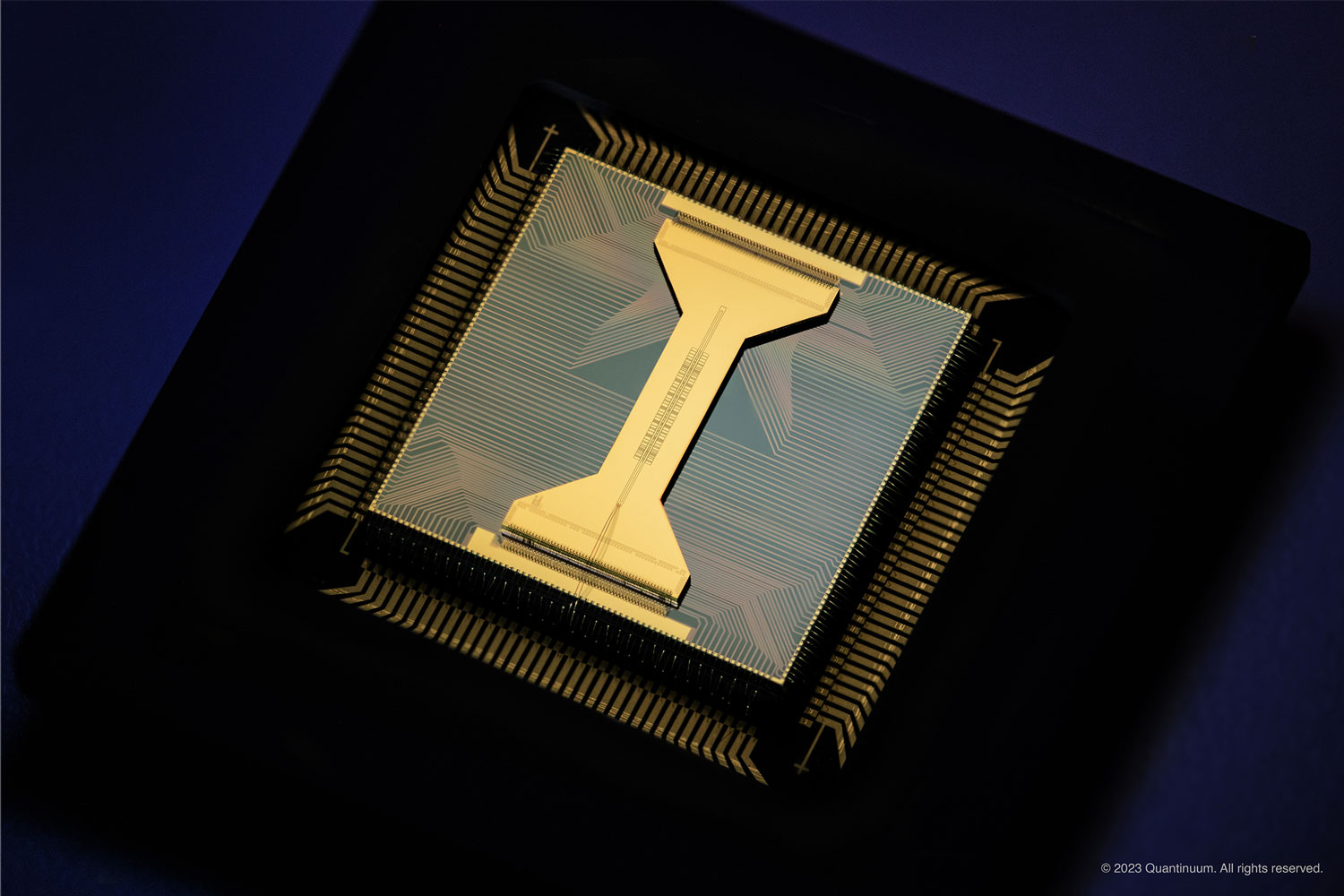
Sorbonne University’s LIP6 during my PhD, I worked on developing rigorous benchmarking protocols for quantum devices to move beyond existing randomized and heuristic-based characterization methods. Our team introduced a hardware-agnostic, heuristic-free benchmarking framework that provides formal performance guarantees for families of quantum circuits. This framework enables the certification of implementable algorithms based on the circuits to which they compile, while also informing and improving quantum compilation techniques. Notably, the benchmark was already used to test one of the leading quantum computers developed by Quantinuum (H1 Quantum Processing Unit). Our test enabled the demonstration and characterization of the circuit sizes that this state-of-the-art device can reliably execute.

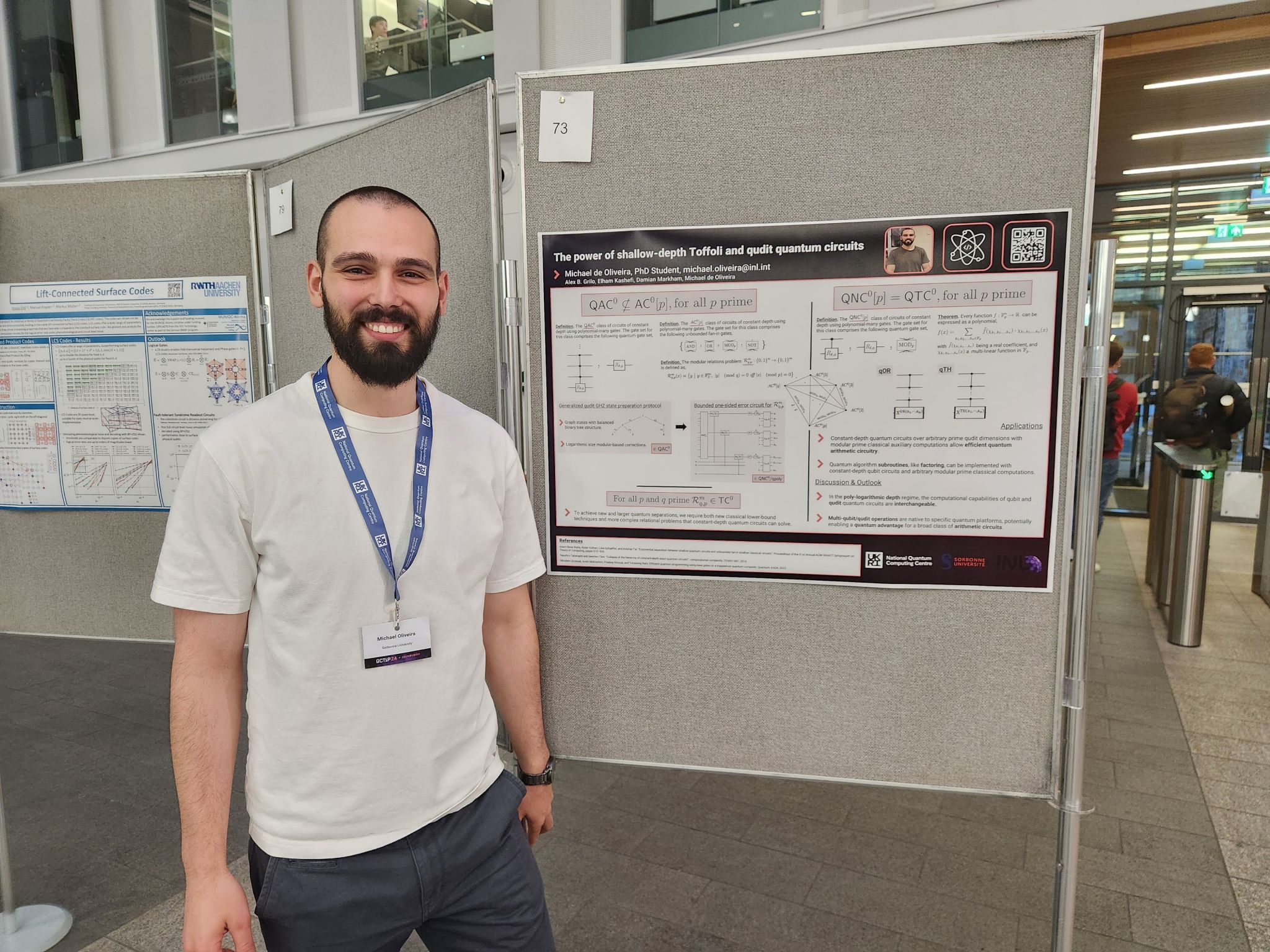
Also, as a Visiting Researcher at Sorbonne University’s LIP6, I worked on quantum computational circuit complexity. Our team demonstrated that parallel quantum computing models equipped with the capability to copy measurement results and multi-qubit gates can exhibit a provable quantum advantage over strong parallel classical computational models. This work establishes the first such separation for a parallel quantum computing models that does not rely on more complex quantum resources, while using standard finite quantum gate sets available on current quantum hardware.
Master's degree
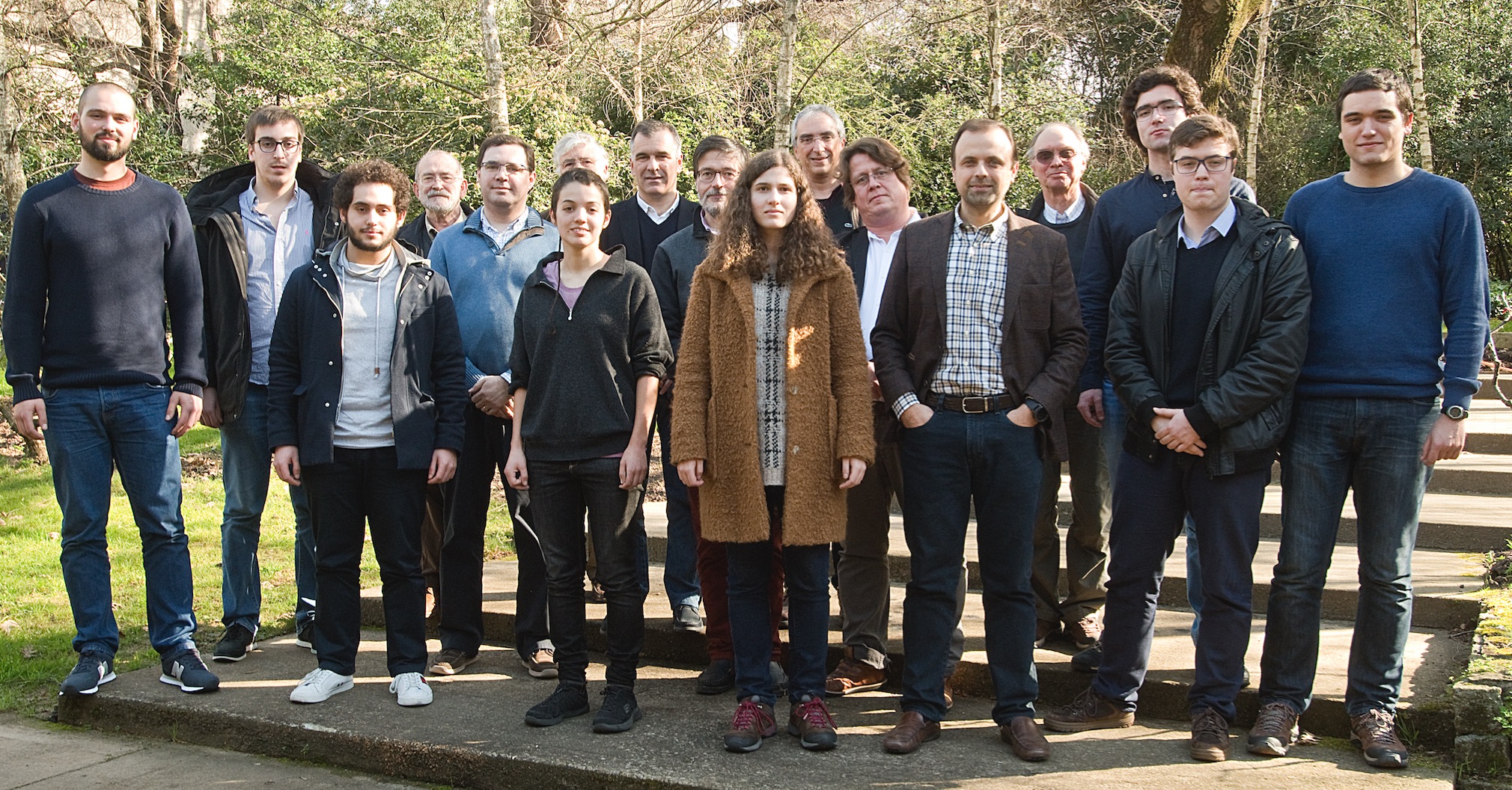
I earned my Master’s degree in Computer Science from the University of Minho, with coursework in quantum computing, information theory, and physics. My Master’s thesis focused on quantum algorithms for expert systems supervised by Professor Luis Soares Barbosa. I graduated with a grade of 18/20 and received the Academic Excellence Prize as the top student in my first year.

Awarded the Gulbenkian Prize for “New Talents in Quantum Computing.”
Award that distinguished eight portuguese students that year for developing a research project in the field of quantum technologies.

Bachelor's degree
I earned my Bachelor’s degree in Engineering Physics from the University of Minho, with coursework covering electronics, computer science, and physics. I graduated with a grade of 17/20 and received the Academic Excellence Prize as the top student in both my second and third years.
High School student
Design and Development of Autonomous Soccer Robots
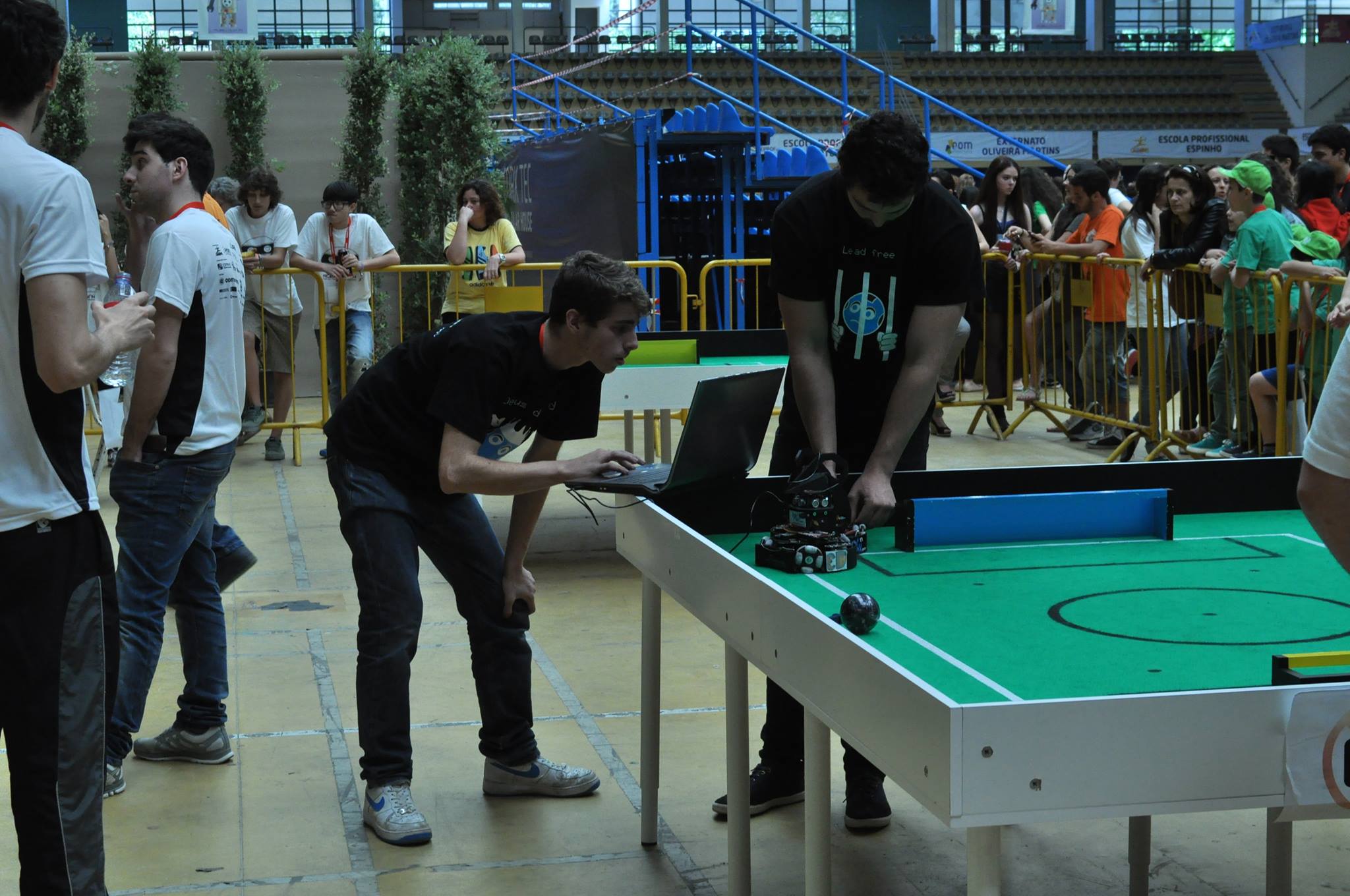
I collaborated with a multidisciplinary team to develop small autonomous robots that play soccer in a 2-vs-2 format. This experience introduced me to programming, 3D modeling, and various aspects of electronics. Our team participated in various national competitions as well as two RoboCups, a world-level robotics competition, winning 1st place in the Superteam competition at RoboCup 2013 in Eindhoven, Netherlands, and the Best Interview Award at RoboCup 2014 in João Pessoa, Brazil.
Math Competitions
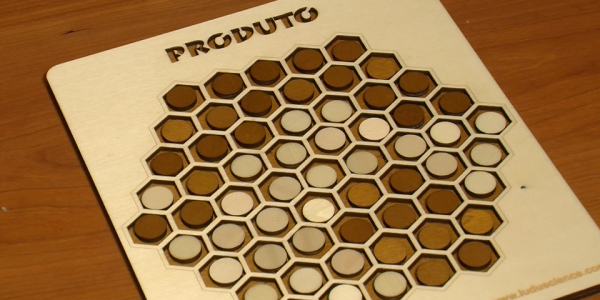
During high school, I took part in numerous mathematics competitions, including national math olympiads, the strategic table game Produto (5th place nationwide), and international contests such as Kanguru Matemático (11th place nationwide).